
Vacuum Pressure Vessel Heads: External Pressure Stability Design, Precision Control, and Export Protection
Preventing External Pressure Buckling Through Profile Tolerance Control, Heat Treatment, and Marine
Conventional internal pressure heads are primarily designed and checked based on the material's tensile strength. However, heads operating under vacuum conditions are continuously subjected to external pressure, with their primary failure mode being structural instability and collapse of the curved surface. This is a sudden type of structural failure with a higher risk level. Therefore, vacuum head design and manufacturing require a separate quality control system and cannot simply follow the design principles used for internal-pressure heads.
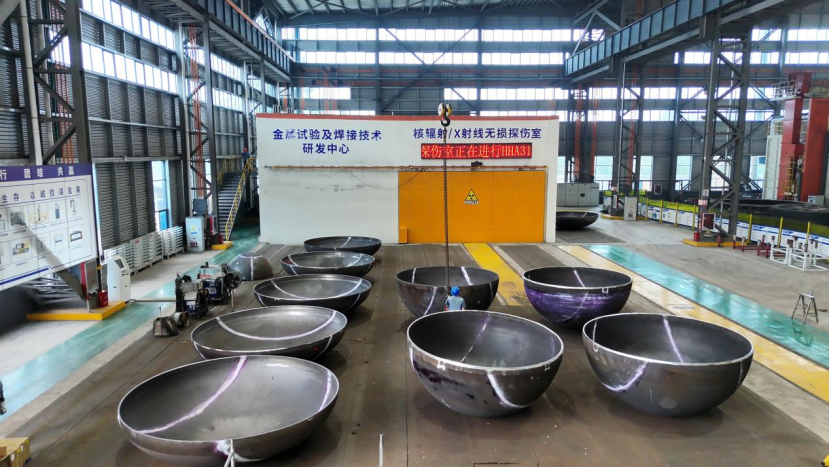
The key design consideration for vacuum heads is external pressure stability analysis, rather than strength verification alone. Under the same dimensional specifications, vacuum heads generally require a greater effective wall thickness. Where necessary, external stiffening rings should also be added to improve overall resistance to buckling. The transition area of a dished head naturally experiences stress concentration. Compared with elliptical heads, dished heads used under vacuum conditions require much stricter tolerance control over surface contours and local dents. Even minor surface imperfections can significantly reduce the critical buckling pressure of the head.
Dimensional accuracy during the forming stage is critical to the quality control of vacuum heads. Local dents, surface bulges, and excessive out-of-roundness can significantly reduce the head's resistance to external pressure. After forming, quality inspectors use dedicated contour templates to check the curved profile along multiple meridians. Any components outside the specified tolerances must be corrected before proceeding to the next production stage. Forced cold correction must also be strictly controlled to avoid introducing additional residual stress. Heat treatment changes the residual stress distribution within the component and directly affects its structural stability. Therefore, heat treatment parameters must not simply follow those used for conventional internal-pressure heads.
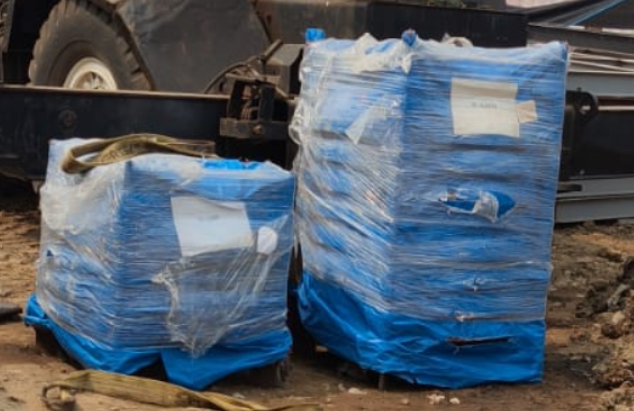
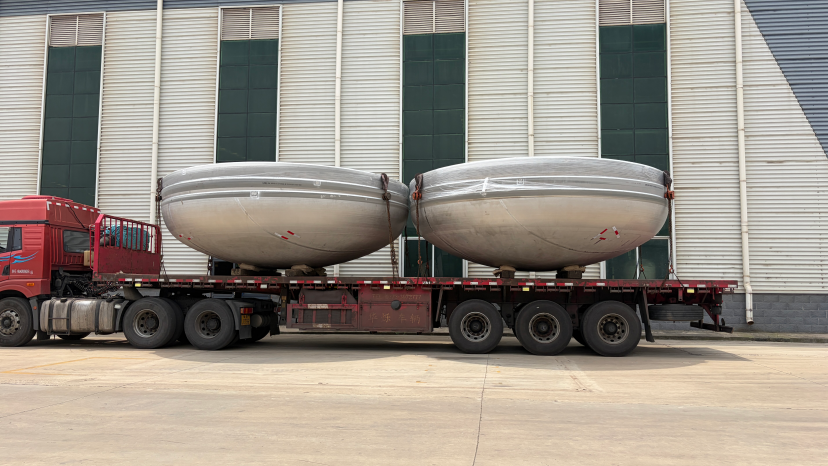
In addition to routine non destructive testing (NDT), the inspection process must include careful verification of the overall profile and dimensional deviations. Where required by the project's technical specifications, we can work with the client and third-party inspection agencies to witness external pressure stability verification. During storage, lifting, and long-distance sea transportation, rigid internal support fixtures must be installed inside vacuum heads to prevent deformation of the curved surface. Once permanent plastic deformation occurs, the head's resistance to external-pressure buckling can be permanently compromised, making repair extremely difficult.
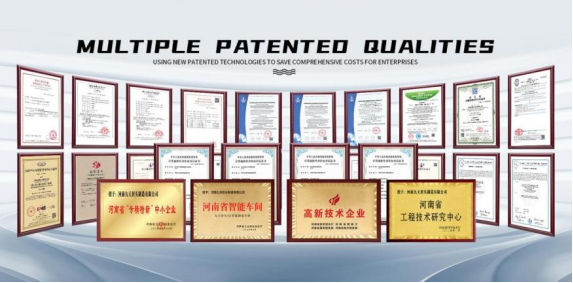
Our factory can work closely with design institutes to provide forming processes, heat treatment solutions, and support fixtures for sea transportation across various vacuum applications. We strictly control surface profile tolerances to minimize the risk of external-pressure instability. Our products can be manufactured in accordance with GB and ASME standards, meeting the requirements of domestic and international projects involving vacuum reactors, vacuum storage tanks, and other industrial equipment. We welcome technical inquiries and project discussions.
