
Heavy-Duty Pressure Vessel Heads: A Guide to Avoiding Common Purchasing Mistakes
How to Evaluate a Head Manufacturer and Avoid Risks Such as Wall Thinning, Material Mismatches etc.
Purchasing large-diameter, extra-thick pressure vessel heads is very different from buying standard components. Many quality problems that occur later in a project can be traced back to poor product selection or unclear technical agreements at the early stage.Once a heavy-duty head has been formed, repairs can be extremely difficult. This may delay the project and create potential safety risks for the pressure vessel. Therefore, purchasing teams and engineers should pay close attention to the following points to avoid common mistakes.
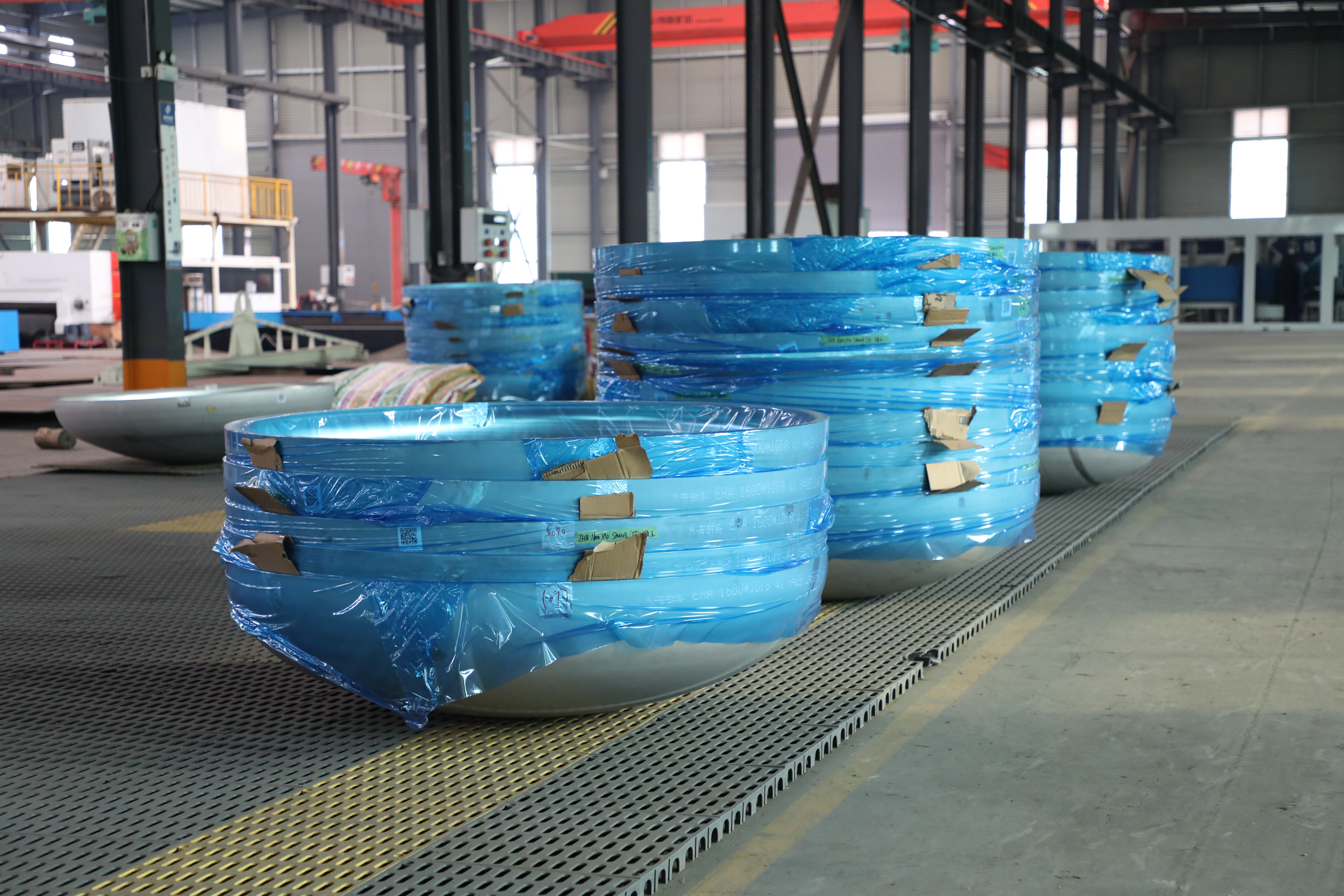
1. Focusing Only on Nominal Thickness and Ignoring Wall Thinning During Forming
During the stamping or spinning process, the top area of a pressure vessel head naturally becomes thinner due to material stretching. This is a normal part of the forming process. Some buyers place orders based only on the nominal thickness shown in the drawings without allowing for material loss during forming. As a result, the minimum wall thickness of the finished head may fall below the design requirement and fail third-party inspection.
The technical agreement must clearly specify the minimum wall thickness after forming, not just the original plate thickness.For large-diameter heads, especially elliptical heads, the top area is a key inspection point because it is more likely to experience wall thinning. Manufacturers should calculate the expected material stretching during the cutting stage and select plates with sufficient thickness.
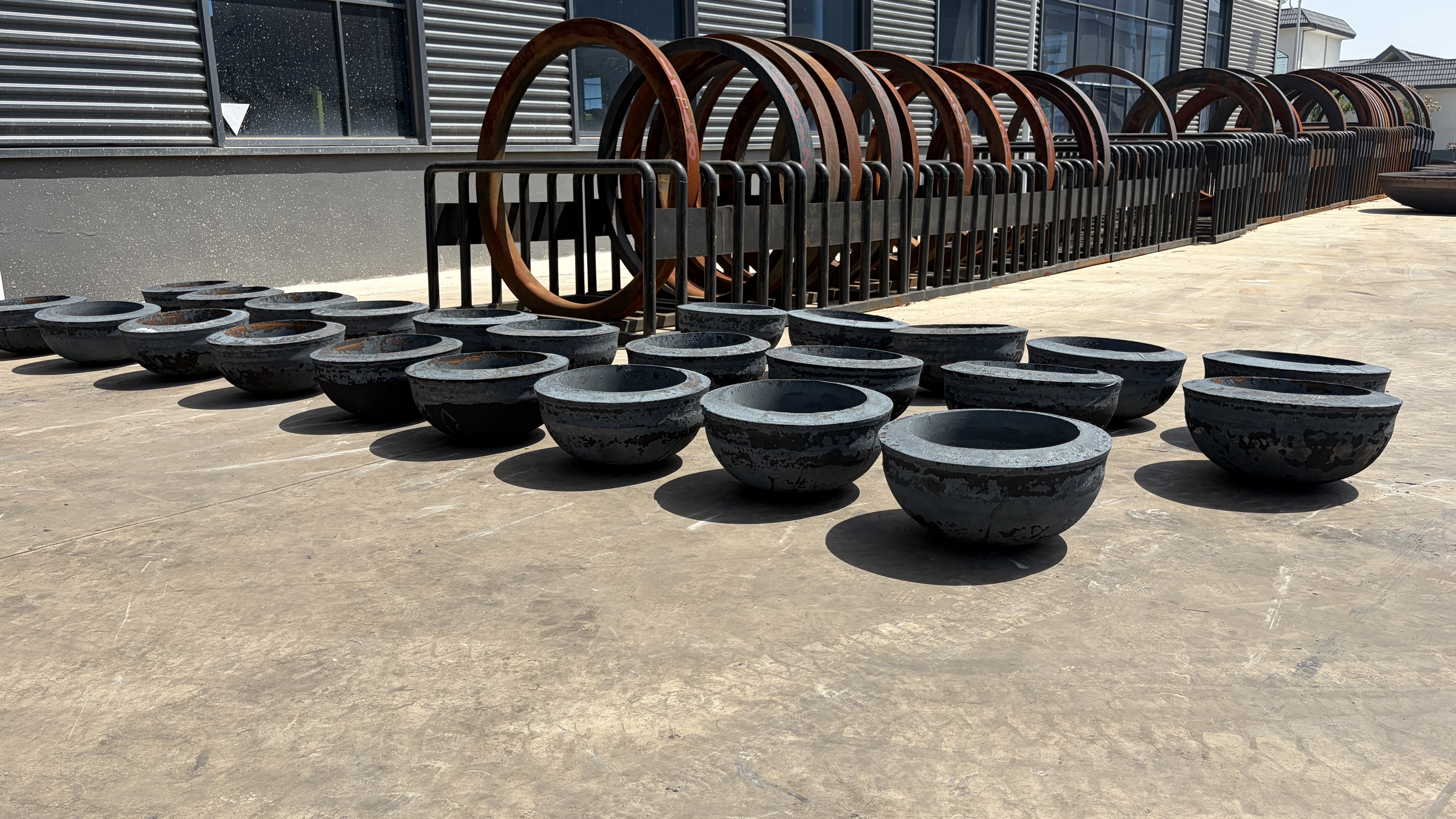 2. Selecting Materials by Grade Only Without Considering Operating Conditions
Many project drawings simply specify a material grade without fully considering the working medium, operating temperature, or chloride concentration.For example, standard 304 stainless steel may suffer from pitting corrosion and stress corrosion cracking in environments with high chloride concentrations, such as seawater. Choosing the wrong material can significantly reduce equipment service life.
For duplex stainless steel, titanium, and clad plate heads, material selection should not rely on the grade alone. Buyers should also check the plate heat number, mechanical properties, and corrosion test reports.Positive Material Identification (PMI) testing upon material arrival is also essential to prevent material mix-ups. For export projects, buyers should also confirm that material certificates meet the documentation requirements of ASME or EAC standards, as applicable.
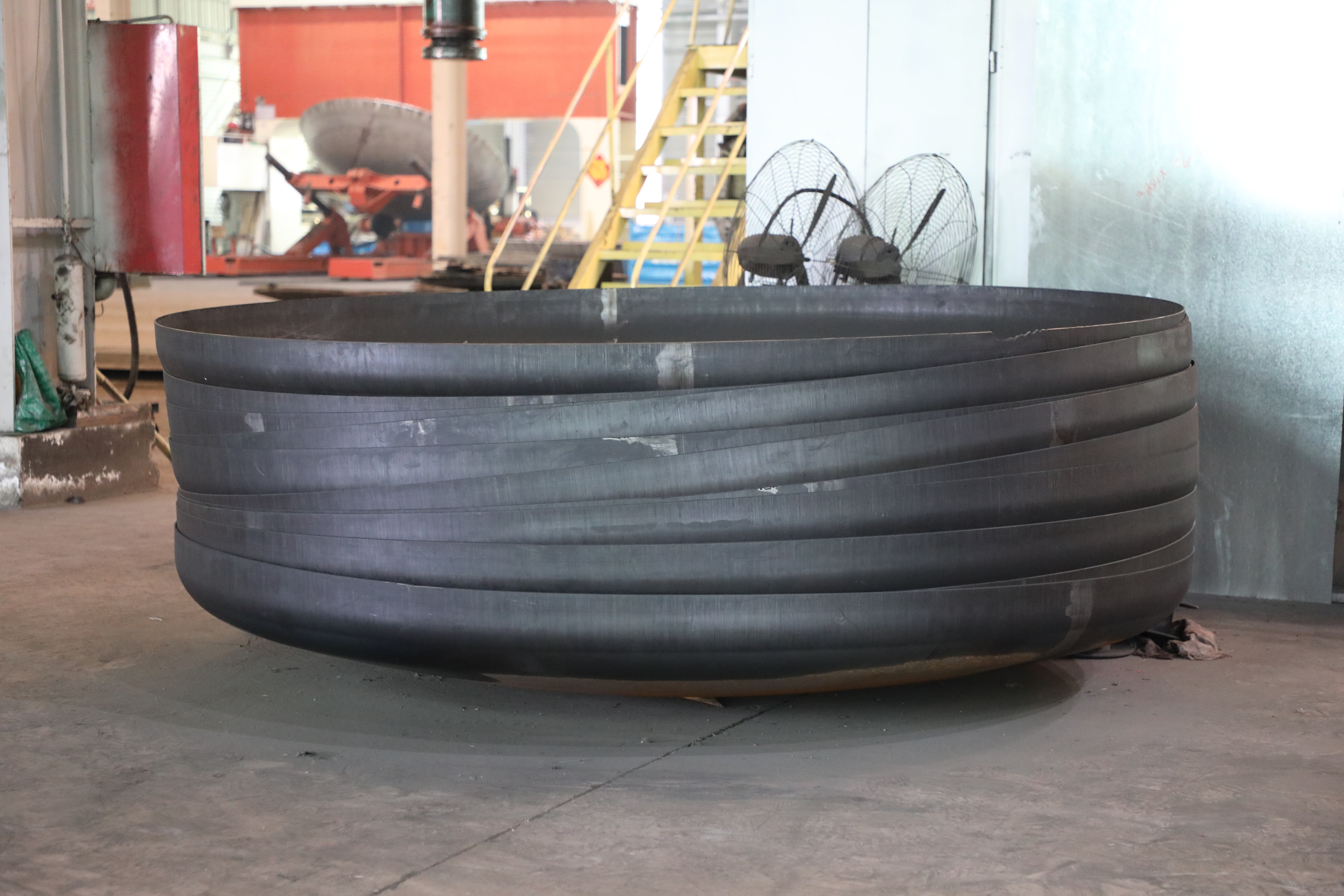
3. Ignoring Manufacturer Capabilities When Ordering Large-Diameter, Extra-Thick Heads
Large-diameter, extra-thick pressure vessel heads require high-capacity stamping equipment, sufficiently large heating furnaces, and heavy-duty spinning machines.
Some small manufacturers do not have the necessary equipment and outsource major production processes after accepting orders. This can lead to gaps in quality control.When evaluating a supplier, buyers should focus on the following points:
Whether the manufacturer can independently handle the entire production process, including plate cutting, forming, heat treatment, and non-destructive testing (NDT).
Whether the manufacturer has previous project experience with pressure vessel heads of similar dimensions, materials, and thicknesses.
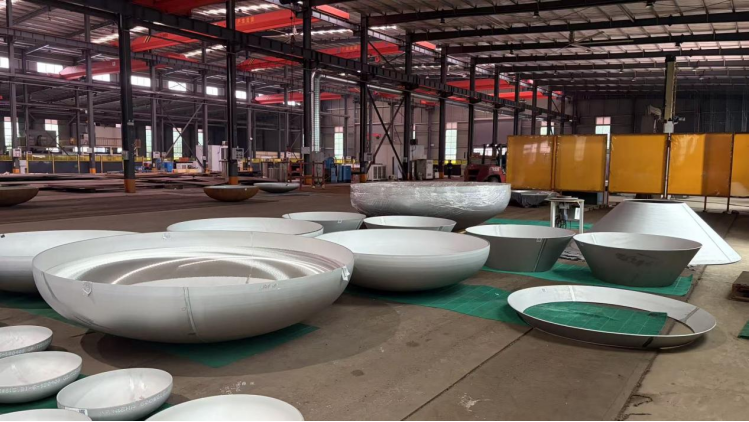
Controlling roundness and profile tolerances is particularly challenging for large-diameter heads. Without the right equipment and experience, the finished head may exceed dimensional tolerances, making it difficult to achieve proper alignment with the vessel shell during assembly.
4. Unclear Inspection Requirements and Missing NDT Details in the Technical Agreement
Many purchase contracts simply state that products must be manufactured according to national standards without specifying NDT methods, inspection coverage, or acceptance criteria.However, inspection requirements can vary significantly between projects. UT, MT, and PT testing may have different requirements depending on the application. ASME export projects may also follow different acceptance requirements from domestic GB pressure vessel standards. Before signing the technical agreement, buyers should clearly specify:
NDT locations and inspection coverage.
Testing methods and acceptance criteria.
Heat treatment records and temperature-time curves.
Dimensional inspection records.
Traceable and properly archived inspection reports.
All documents must be complete and meet the requirements of third-party inspection, project documentation, and export customs clearance, where applicable.
5. Planning Transportation and Lifting in Advance to Prevent Deformation
Even if a large, heavy-duty head passes all manufacturing inspections, improper lifting or transportation can still cause permanent deformation.
Steel wire ropes should never be tied directly around the curved surface of the head. Large heads should be transported using specially designed support frames to prevent deformation and excessive ovality.
Stainless steel and titanium heads also require proper surface protection to prevent iron contamination and scratches.
Henan Jiutian specializes in customized, large-diameter and extra-thick non-standard pressure vessel heads.We can work with customers during the early technical review stage to calculate forming-related wall thinning and improve technical agreement requirements before production begins.Our products can be manufactured according to GB and ASME standards, with complete supporting documentation, including material certificates, heat treatment records, and NDT reports.Our products are widely used in offshore engineering, petrochemicals, new energy, and heavy-duty pressure vessel applications.
