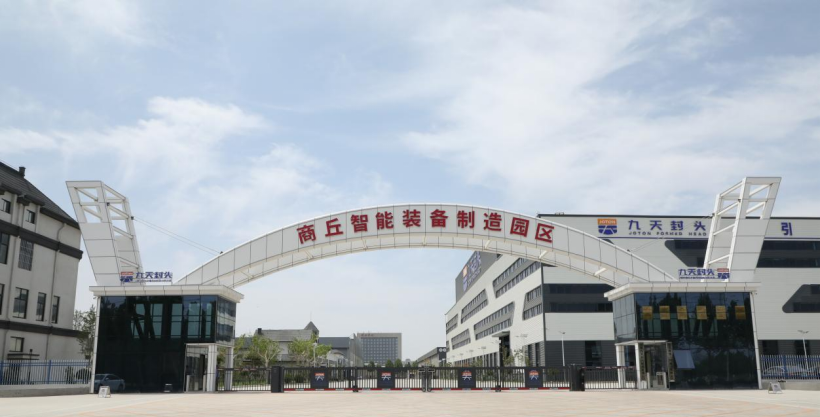
Heavy-Duty Head Manufacturing|Key Processes for Large-Diameter and Extra-Thick Heads
Key Steps in Cutting, Forming, Heat Treatment, Machining, and Non-Destructive Testing
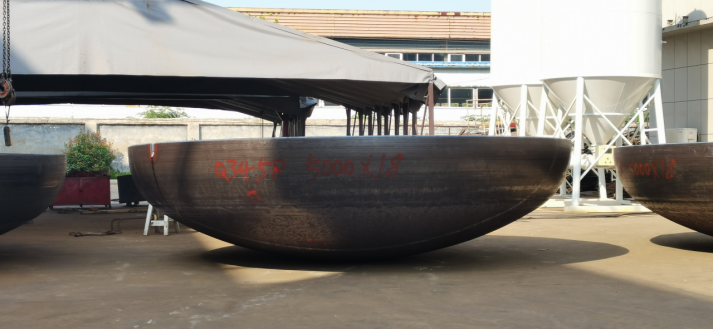
Large-diameter, extra-thick pressure vessel heads are heavy-duty components that require more complex manufacturing than standard heads. Forming quality, dimensional accuracy and stress control are essential for pressure vessel safety.Different materialssuch as carbon steel, stainless steel, duplex stainless steel, titanium-clad steel and clad plates require different forming and heat treatment processes. Each material needs a suitable manufacturing plan.
(一)Raw Material Cutting and Plate Preparation
As the first step, incoming materials are inspected to verify material certificates, conduct random spectrometer checks, ensuring the plate thickness and mechanical properties meet the required standards.
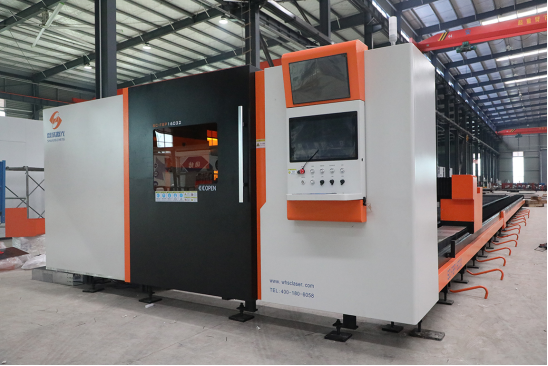
1. CNC Cutting
Plates are cut to the required dimensions using plasma or flame cutting. After cutting, burrs are removed and the cut edges are ground to remove oxide layers.
2. Plate Preparation
Carbon steel plates are cleaned to remove rust. Stainless steel, duplex stainless steeland titanium plates require surface protection to prevent iron contamination. For clad plates, the corrosion-resistant layer must be protected from scratches and damage.
(二)Forming Process (Stamping / Spinning)
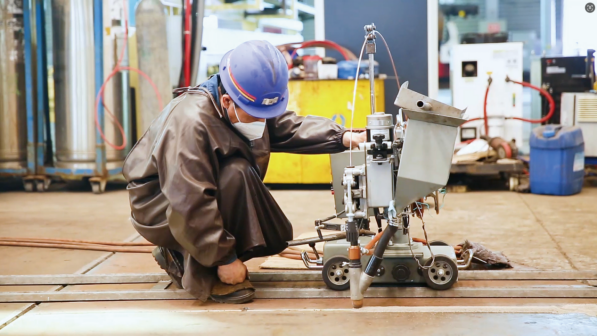
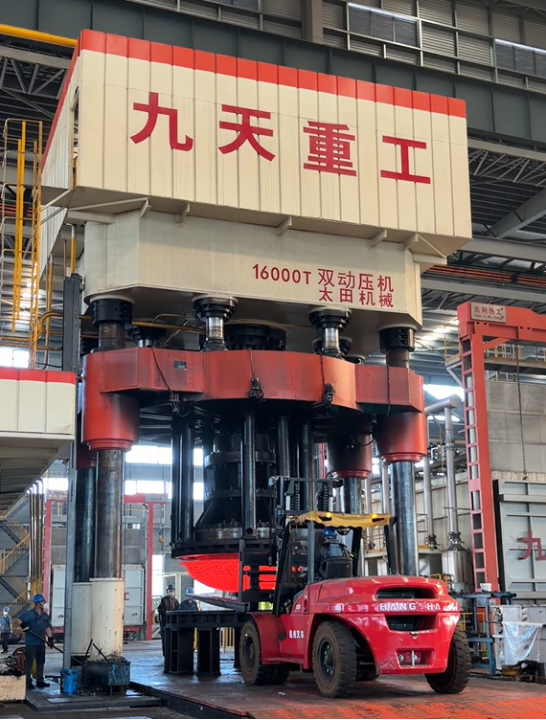
1. Hot Press Forming
Hot press forming is commonly used for large-diameter, extra-thick carbon steel heads. The plate is heated to the specified temperature, placed in a die and pressed into shape in one operation.
Advantages: High forming efficiency, uniform curvature, and consistent mechanical properties. Suitable for batch production of thick-wall heads.
Disadvantages: Temperature must be carefully controlled. Excessive heat can cause grain growth, while insufficient heat may lead to cracking. Forming can also create significant residual stress, so heat treatment is required afterward.
2. Spinning
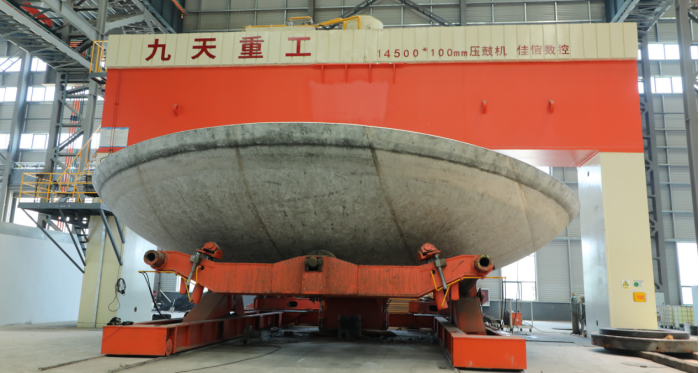
Spinning is suitable for extra-large-diameter, thin-wall heads and some thick-wall heads made of stainless steel, duplex stainless steel, and titanium. It does not require large stamping dies.
The plate is gradually pressed and shaped by rollers as it rotates.
Advantages: Lower tooling costs, suitable for custom-sized heads, and good surface quality.
Disadvantages: Longer processing time, greater difficulty with extra-thick plates, and high demands on equipment and operator experience.
Tips | Processing Requirements |
Carbon Steel | Mainly formed by hot pressing. |
Stainless Steel | Usually formed by cold spinning or warm forming. Hot forming is generally avoided. |
Duplex Stainless Steel | Forming temperature must be strictly controlled to prevent harmful phase precipitation and loss of corrosion resistance. |
Titanium | Protect the material throughout forming. High temperatures can cause severe oxidation. Direct contact with iron-based tools must be strictly avoided. |
Clad Plates | Forming pressure and deformation must be strictly controlled to prevent separation between the base metal and cladding layer. |
(三)Heat Treatment (A Key Process for Heavy-Duty Heads)
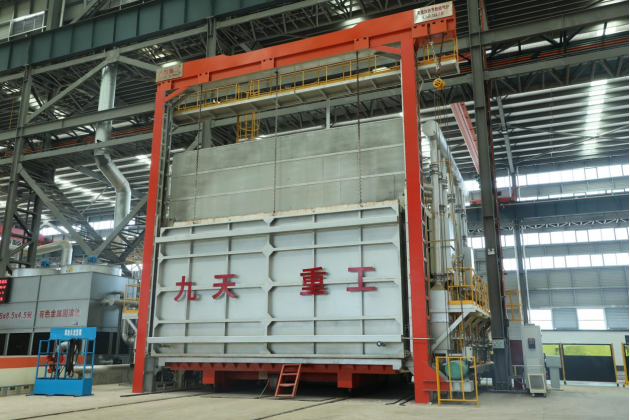
Heat treatment is essential for large-diameter, extra-thick heads. It helps relieve residual stress from forming, improve the internal microstructure, and increase toughness.
1. Carbon Steel Heads
After forming, normalizing or stress-relief heat treatment is performed to reduce forming stress and lower the risk of cracking during later processing.
2. Stainless Steel and Duplex Stainless Steel Heads
High-temperature post-weld heat treatment is generally avoided because improper temperature control can reduce resistance to chloride corrosion.
3. Titanium Alloy Heads
Heat treatment requires a vacuum environment to prevent surface oxidation and contamination.
4. Clad Plate Heads
The allowable heat treatment temperature range is narrow. Excessive heat may cause separation between the base metal and cladding layer, so process parameters must be carefully evaluated.
After heat treatment, the heads should cool slowly and naturally. Rapid water cooling should be avoided to prevent new stresses.
(四)Edge Machining (Bevel Preparation)
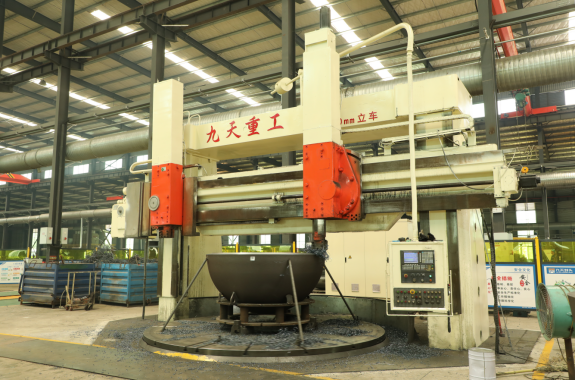
After heat treatment, the straight edge of the head is machined to create the required welding bevel.
The head circumference, straight flange height, roundness, and bevel angle must be strictly controlled to ensure accurate alignment and fit-up between the head and the vessel shell. Roundness is especially difficult to control for large-diameter heads and is a key acceptance requirement.
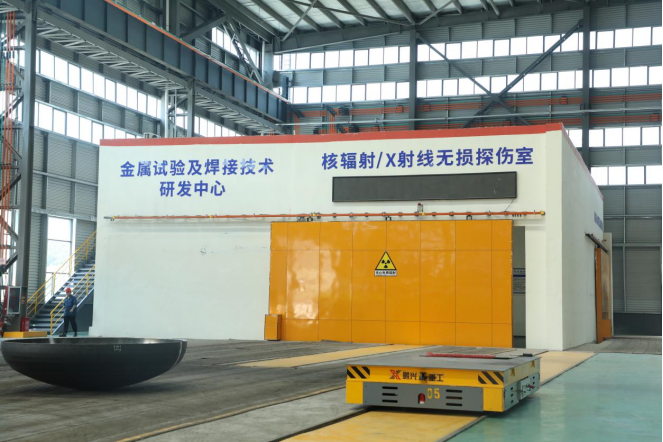
(五)Inspection and Non-Destructive Testing (NDT)
1. Visual and Dimensional Inspection
Check the head's shape using a profile template and measure the wall thickness at multiple points, with special attention to the minimum thickness in the formed area.
2. Non-Destructive Testing
Perform ultrasonic testing (UT), magnetic particle testing (MT), or penetrant testing (PT) as required by the drawings and pressure vessel standards. These tests help detect internal defects, cracks, and surface flaws.
3. Material Verification
Conduct additional material checks using a spectrometer when necessary to prevent material mix-ups.
4. Records and Documentation
Keep all inspection data, heat treatment records, and NDT reports for ASME, GB, EAC, and other export project requirements.
(六)Surface Treatment and Finished Product Protection
Carbon Steel Heads: Remove rust by sandblasting and apply a primer coating.
Stainless Steel and Titanium Heads: Use pickling and passivation to remove surface oxide layers and protect the material.
Clad Plate Heads: Protect the cladding layer with suitable packaging and provide proper support to prevent deformation during lifting and transportation.
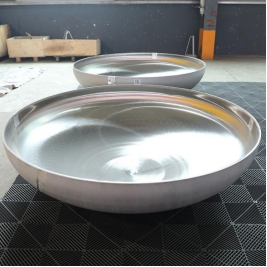
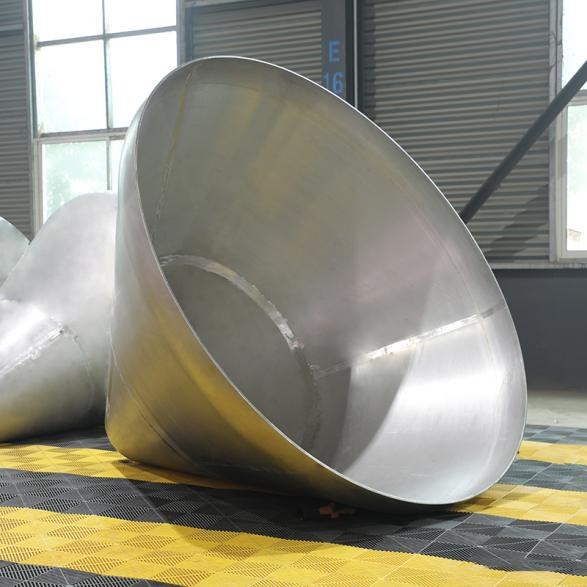
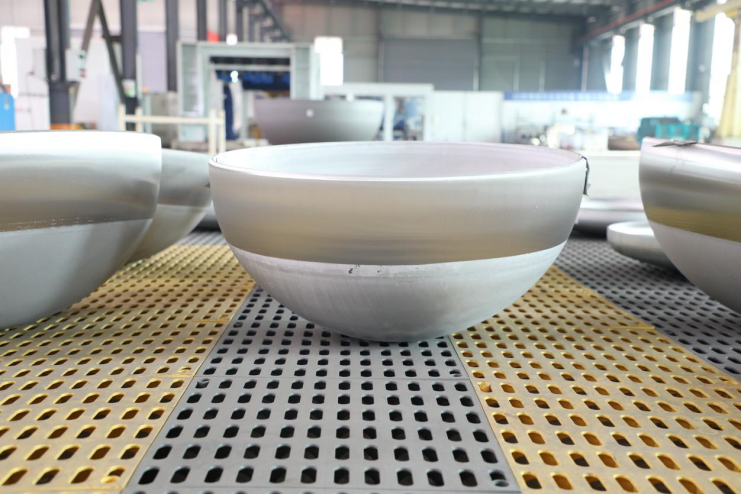
Henan Jiutian Head Manufacturing Co., Ltd. specializes in the manufacturing of large-diameter, extra-thick pressure vessel heads. Based on material, dimensions, and operating conditions, we select suitable hot pressing or spinning processes and develop customized heat treatment plans. We control every stage, from plate cutting and forming to machining and non-destructive testing. We offer custom elliptical, dished, spherical, hemispherical, and flat-bottom heads. Our products are manufactured to GB/T and ASME standards and are widely used in heavy-duty pressure vessels for petrochemicals, offshore engineering, and new energy projects.