
Selection Guide for Petrochemical Industry | Specialized Head Solutions for High-Pressure, Highly Corrosive Conditions
Suitable for chemical storage tanks, reactors, high-pressure vessels, corrosion-resistant, high-pres
The petrochemical and chemical industries represent the most demanding applications for pressure vessel heads, with complex working conditions and the highest safety requirements. Chemical production commonly involves high temperatures, high pressures, acid-alkali corrosion, and organic solvent attack. As the core pressure-bearing component at the end of equipment, a head can easily suffer thinning, pittingor leakage if improperly selected, posing major safety risks. Therefore, heads for the petrochemical industry must be precisely matched in material and structure according to specific working conditions.
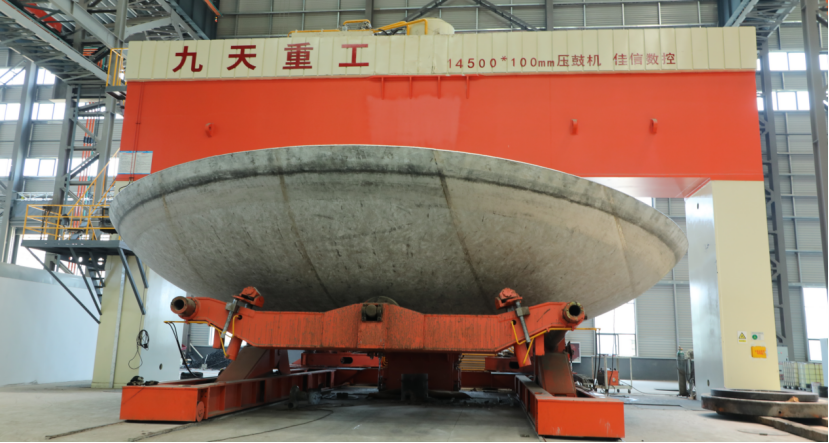
For conventional storage tanks, buffer tanks, low-pressure heat exchange equipment with weak medium corrosion and stable pressure, Q245R and Q345R carbon steel elliptical heads are the optimal choice. Carbon steel heads offer stable mechanical properties, mature forming processes and high cost-effectiveness, making them ideal for large-scale use in standard chemical equipment.
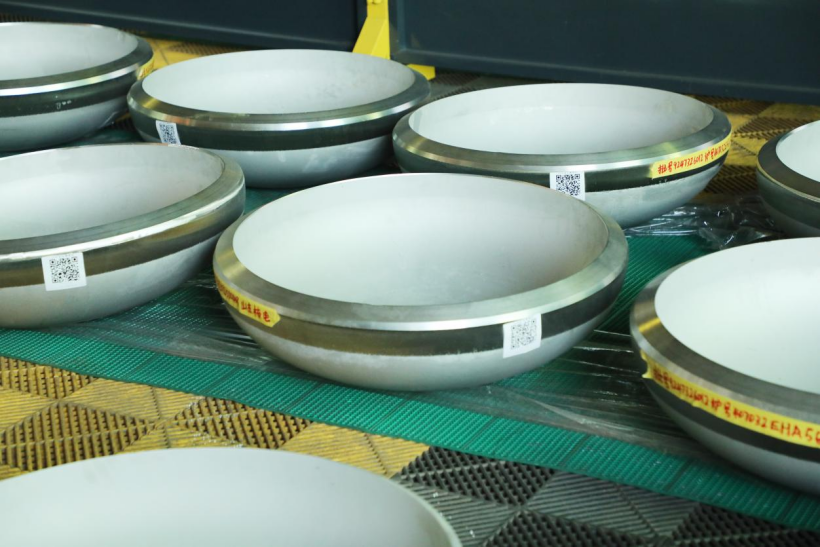
For reactors, refining tanks and separation equipment handling strong acids, strong bases, saline solvents, and organic corrosive media, 304 and 316L stainless steel heads are essential. 316L contains molybdenum, providing strong resistance to chloride ions and pitting corrosion. It effectively withstands long-term attack from complex chemical media, preventing equipment rust and material contamination.
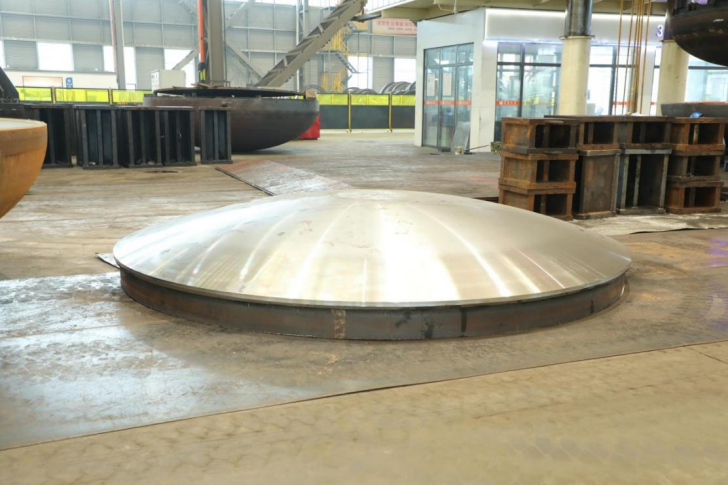
For high-end chemical installations involving both high temperature, high pressure and strong corrosion, explosion-bonded clad plate heads are the industry's preferred choice. They combine the high strength of carbon steel with the corrosion resistance of stainless steel, significantly reducing equipment costs and making them ideal for heavy-duty petrochemical equipment.
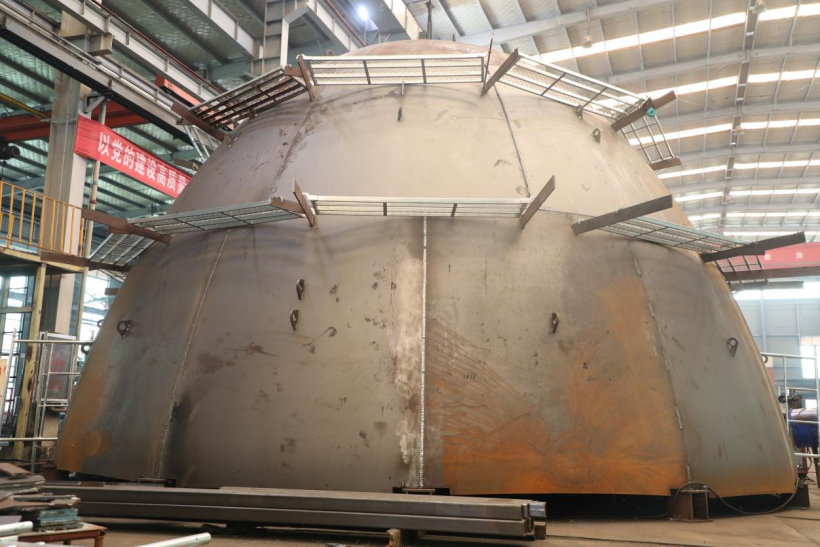
For high-pressure reactors and high-pressure gas storage tanks, hemispherical heads are the standard choice. They offer the strongest pressure-bearing capacity and the highest wall-thickness utilization, making them ideal for ultra-high-pressure petrochemical applications.
